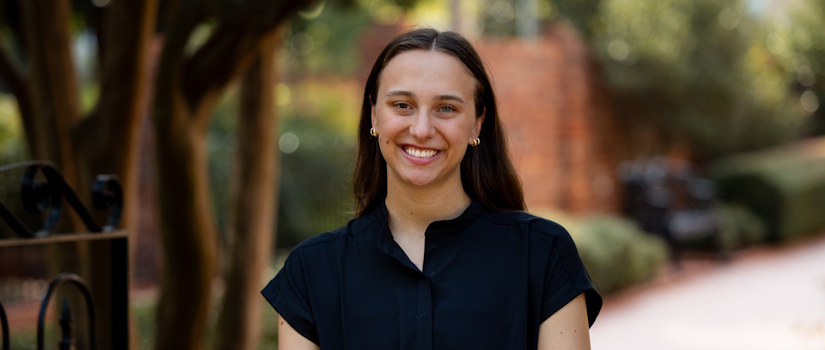
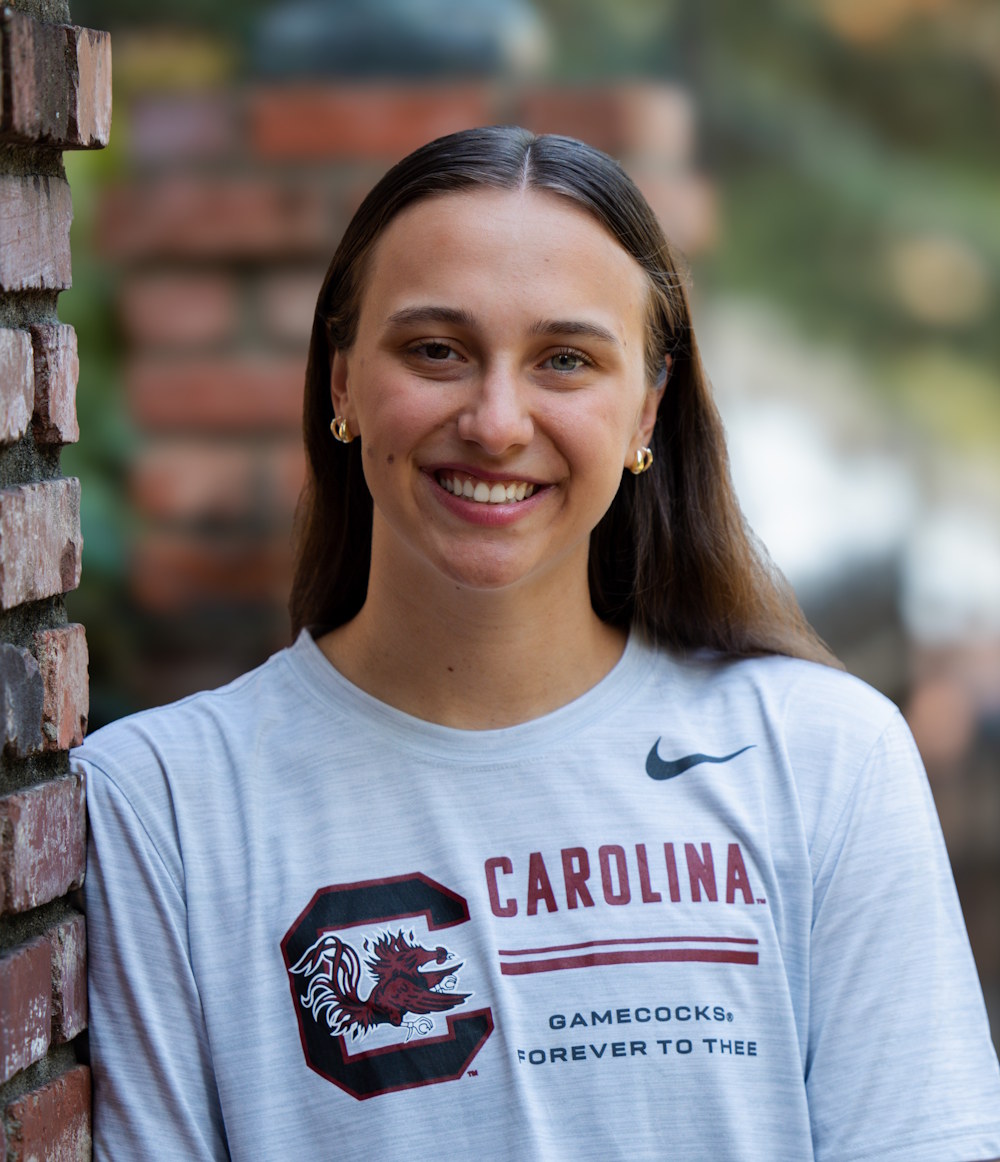
A lifelong swimmer, MaKayla Ciancanelli has always understood the importance of nutrition, but it wasn’t until a family member
faced a health crisis that she began to see it as a career path. She was in her sophomore
year at USC – studying exercise science and competing as a freestyler with the Gamecocks Swimming and Diving team – when
everything changed.
“My sister, Isabella, was hospitalized and diagnosed with celiac disease and type
1 diabetes, and watching her life change so drastically in a single day had a profound
impact on me,” Ciancanelli says. “When a Registered Dietitian Nutritionist (RDN) became
involved in her care, Isabella was given not only practical tools to manage her diagnosis,
but also reassurance that she could continue to live a full and active life.”
I am passionate about helping athletes develop behaviors that support longevity in
sport and, more importantly, lifelong health. Athletic careers eventually end, and
I want athletes to leave sport with the knowledge, resources, and habits that allow
them to continue living healthy and active lives long after their competitive careers
conclude.
MaKayla Ciancanelli
Already interested in working with athletes, chronic disease and long-term health,
this observation drove Ciancanelli’s decision to pursue a career in nutrition. The
serendipitous launch of her department’s brand-new M.S. in Performance Nutrition and Dietetics program the same year she completed her bachelor’s degree (two semesters early) offered
the perfect path to becoming an RDN herself.
“Being part of the inaugural cohort felt like an exciting opportunity to take a risk,
grow alongside a new program, and continue building on the relationships and experiences
I had already developed at USC,” Ciancanelli says. “I decided to take that chance
and apply, and I could not be happier with my decision to remain in Columbia for another
two years.”
Designed to complement its evidence-based curriculum, the program leverages the exercise science department’s well-established network of clinical partners to provide students with supervised
learning experiences in the field. Ciancanelli has already completed dietetic internships
with NASCAR and National Hockey League affiliates, food assistance programs, a physical
therapy and sports performance clinic, and Gamecocks Football. She has also gained
teaching experience as a graduate assistant and contributed to research in exercise
science assistant professor Katie Hirsch’s Sustain Lab, where the team investigates the role of exercise and nutrition in
health and performance across the lifespan.
MaKayla Ciancanelli is a student in the M.S. in Performance Nutrition and Dietetics.
“Dr. Hirsch has been a significant mentor and influence throughout my time at the
Arnold School,” Ciancanelli says. “As an undergraduate student, her sports nutrition
course helped confirm my goal of becoming an RDN. Then she helped connect me with
my master’s program, and her leadership in the lab has helped me grow in ways I did
not expect, such as developing a new understanding of research’s role in sports nutrition
and providing me with the opportunity to present a poster and abstract at the International
Society of Sports Nutrition Conference.”
Ciancanelli’s master’s program also tested the discipline and persistence she developed
as a student-athlete. A former injury prevented her from competing during her freshman
year, so she was eligible to swim that first semester of graduate school until a stress
fracture in her lumbar spine forced Ciancanelli into medical retirement.
Following this, she redirected that same commitment to her academic, professional,
and leadership roles. While adjusting to graduate school, Ciancanelli continued building
her career in performance nutrition and served as the vice president of the Carolina
Baptist Collegiate Ministry for a year. This experience ultimately strengthened her
desire to support athletes navigating the physical and emotional demands of sport.
“Over time, I have been able to find a new way to channel my passion for athletics
by giving back to other athletes through the nutrition support we provide,” she says.
“Because of my own background as a student-athlete, I have developed a particular
interest in sports nutrition and supporting athletes who are managing chronic or autoimmune
diseases.”
Thanks to the program’s dual focus on hands-on experience using evidenced-based approaches,
Ciancanelli is also interested in how nutrition interventions can help athletes maintain
their health while continuing to train and compete at a high level.
“I am passionate about helping athletes develop behaviors that support longevity in
sport and, more importantly, lifelong health,” she says. “Athletic careers eventually
end, and I want athletes to leave sport with the knowledge, resources, and habits
that allow them to continue living healthy and active lives long after their competitive
careers conclude.”
After completing her program next year, Ciancanelli and members of the inaugural graduating
cohort will take the RDN exam. Her goal is to serve as a sports dietitian with the
National Hockey League.
“My degree is preparing me to achieve these goals through its performance-focused curriculum
and strong foundation in exercise science, nutrition, and nutritional pathophysiology,”
Ciancanelli says. “In addition to developing my clinical knowledge, the program has
provided me with hands-on experiences working with athletes and learning how to translate
nutrition science into practical strategies within a performance environment.”
Looking back on her years at USC, particularly her master’s program, Ciancanelli advises
that prospective students take advantage of every opportunity that comes their way
and build relationships with professors and preceptors. She also recommends becoming
friends with classmates.
“They truly become your lifelines in graduate school and will become your peers in
the workforce one day,” she says. “You will study together, celebrate successes together,
work through difficult assignments together, become friends outside of school, and
support each other through the challenges that come with graduate school.”
While Ciancanelli’s future as a performance dietitian will likely take her away from
Columbia, she will always cherish the memories she’s made at USC – her dream school
since she was young. Competing with the Swimming and Diving team and then working
with Gamecocks Football have made her experiences even more meaningful.
“Columbia and USC have given me opportunities to grow as a student, athlete, professional,
and leader,” Ciancanelli says. “The relationships and experiences I have gained here
have made Columbia feel like home, and I am incredibly grateful for the different
communities that have shaped my time as a Gamecock.”